Let me be direct with you: most ski resorts are leaving serious money and operational efficiency on the table because they think AI is something that only Vail Resorts or Alterra can afford to mess with. That’s wrong, and I’ve spent the last two years proving it.
I work with small and mid-size mountains — the 300-foot verticals, the regionals, the family-owned hills that have been running on the same reservation system since 2008. And what I’ve found is that AI isn’t a luxury feature anymore. It’s quickly becoming table stakes, and the resorts that figure this out now are going to have a meaningful edge heading into the next five seasons.
Here’s what we’ve built, what worked, and where I’d start if you’re running a mountain and AI still feels abstract.
1. Guest Chatbots: The 2 AM Question Nobody Has Time For
The most immediate win we’ve seen is deploying a simple AI chatbot on resort websites to handle the flood of pre-trip questions. “Is the terrain park open?” “Can my 6-year-old ski Blue runs?” “Do you rent snowshoes?”
These questions are killing your front desk staff during peak season. We set up a chatbot for a 400-acre regional mountain last winter using a combination of a fine-tuned FAQ dataset and a lightweight LLM integration. Total build time: about three weeks, including training the model on their specific terrain, rental inventory, and policies.
The result? Ticket sales from the chat widget hit $14,000 in the first six weeks because we built a direct upsell path into lesson packages. More importantly, the guest experience team reported a measurable drop in repetitive phone volume during the holiday push. When your $18/hour seasonal employee isn’t answering the same question 40 times a day, they’re doing something that actually requires a human.
2. Snowmaking Optimization: Data-Driven Decisions in the Cold Hours
Snowmaking is one of the largest controllable costs at any resort. Energy, water, labor — it adds up fast, and most operations are still running on gut feel and weather-app refreshes at 2 AM.
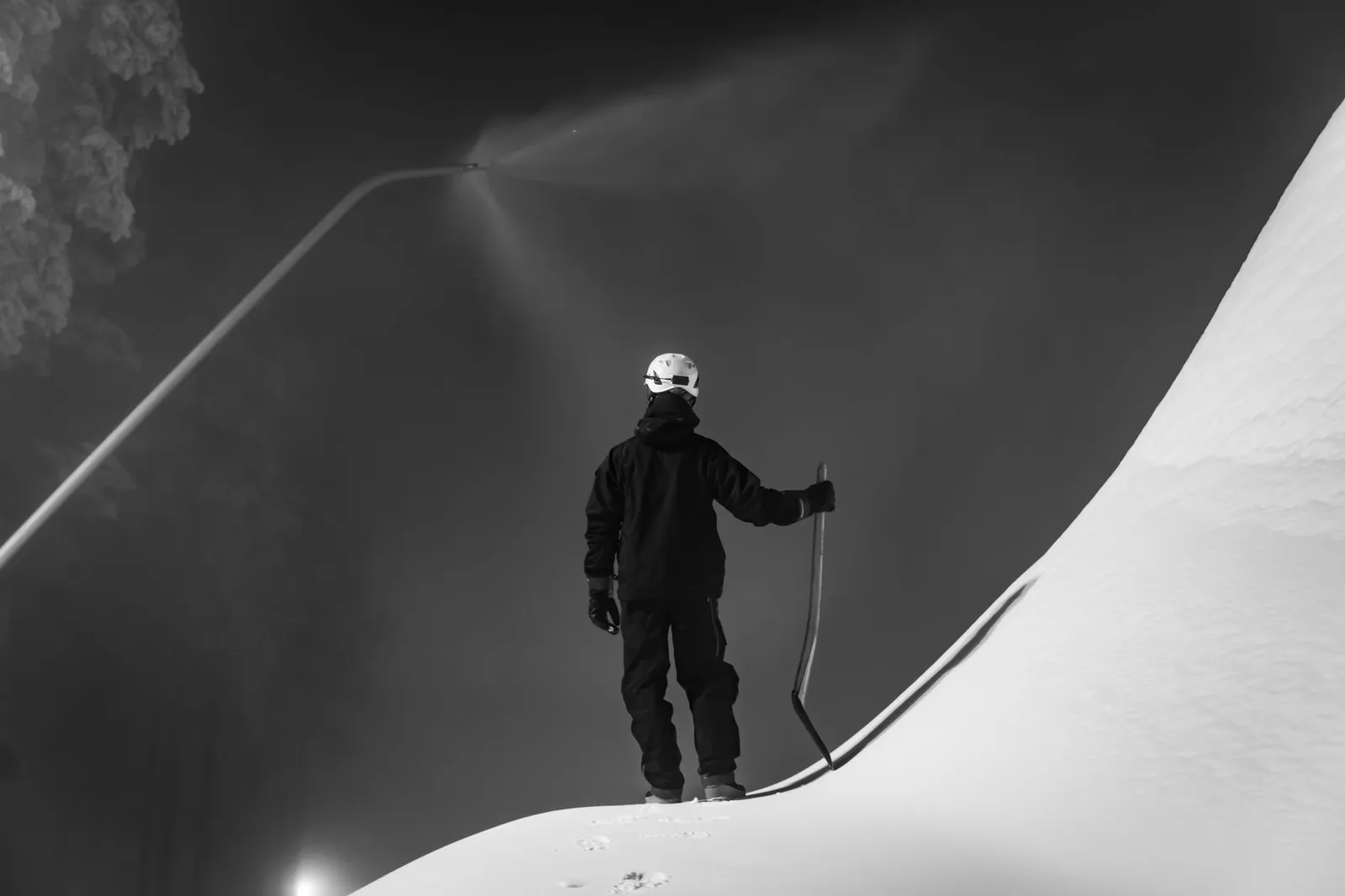
We integrated a simple ML model at one property that pulls in wet-bulb temperature forecasts, historical gun performance data, and target opening-day terrain requirements. The model outputs an optimized snowmaking schedule — which guns run when, which zones to prioritize, where to cut back.
This isn’t magic. It’s pattern recognition applied to data your mountain is already generating but probably not using systematically. In the first season, the team estimated 8–12% in energy savings on snowmaking nights compared to the prior year’s manual scheduling. For a mountain running guns across 40 acres, that’s not nothing.
You don’t need a data science team. You need someone who understands the problem, access to your historical records, and the willingness to run the experiment.
3. AI-Assisted Marketing Copy: Consistent Voice, Less Bottleneck
Marketing is almost always under-resourced at smaller mountains. One person wearing six hats, trying to push out email campaigns, social posts, and trail condition updates while also coordinating with the race team and answering media requests.
We built a simple content workflow using a fine-tuned prompt system trained on the resort’s existing copy — their tone, their guest personas, their seasonal narrative. The result is a drafting tool that produces on-brand first drafts for email blasts, snow report copy, and Instagram captions in minutes instead of hours.
The key word there is drafts. A human still reviews and approves everything. But the bottleneck shifted from “I need to find two hours to write this” to “I need 15 minutes to review and refine this.” For a solo marketing coordinator, that’s a material productivity gain across a 120-day season.
Where to Start
If you’re running a mountain and you’re not sure where to start with AI, here’s the honest answer: start where the pain is loudest. Is it the front desk? The snowmaking budget? The marketing backlog? That’s your entry point.
You don’t need a six-figure tech budget or a dedicated AI team. Most of what we’ve built runs on tools that cost less than your monthly lift maintenance invoice. The barrier isn’t money — it’s knowing where to look and having someone to help translate the technical options into operational decisions.
That’s what Backcountry Blueprints is here to do. Every week, we’ll break down what’s actually working in mountain operations, marketing, and AI — built from real implementations, not vendor pitches.
Subscribe to get weekly intel from the slopes. No fluff, no gear reviews — just the operational and marketing insights that move the needle for working mountain professionals.