Ski resorts are quietly installing AI-powered cameras at their lift lines — and most guests have no idea. Unofficial Networks reported on the trend earlier this year, noting that resorts are deploying computer vision systems at lift queues for everything from safety monitoring to crowd flow analysis. This is happening right now, at real resorts, and the implications for resort marketing and operations teams are bigger than most people realize.
Let me break down what this actually means — because the conversation so far has been mostly about safety. The more interesting story, from where I sit, is about data, guest experience, and the privacy conversation that nobody in resort marketing has started having yet.
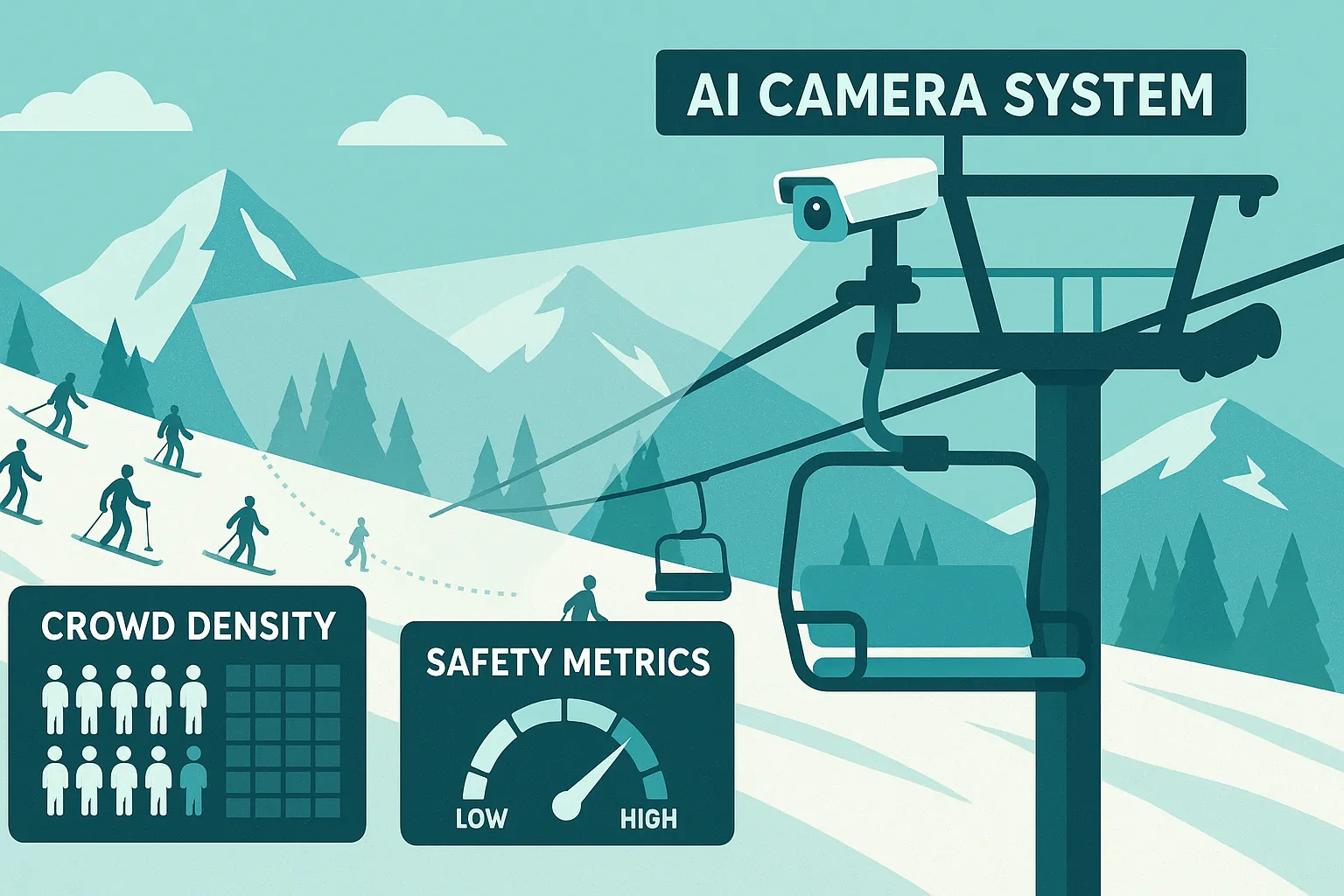
AI cameras at lift towers are generating anonymized crowd data that operations and marketing teams can both put to work.
What the Cameras Are Actually Doing
The primary use case is safety: computer vision systems can detect when guests are in distress at a lift, identify when loading bars aren’t closed, and flag unsafe behavior faster than any human lift operator could. That’s genuinely good for the mountain. But the same cameras also collect anonymized traffic data — how long guests wait, when lines peak, how quickly queues move — and that data has serious marketing applications.
NSAA has been tracking technology adoption at ski areas for years, and smart operations technology has consistently shown ROI beyond its original use case. The resorts investing in AI lift cameras today are building infrastructure that will pay dividends in dynamic pricing, staffing optimization, and real-time guest communication — not just safety.
The Marketing Data Angle Nobody’s Talking About
Here’s what gets me excited as a marketer: anonymized lift line data is the closest thing to real-time behavioral data that resort marketing teams have ever had access to. If you know that the main quad has a 25-minute wait but the back-bowl lift is empty right now, you can push that to your app users in real time. That’s a direct guest experience win — and it’s exactly the kind of utility-driven communication that NSAA has been advocating for through its AI initiatives.
Dynamic pricing is the next logical step. If AI systems can detect when a mountain is at 70% capacity on a Tuesday versus 110% on a Saturday, that data can feed directly into your day ticket and parking pricing model. We’ve talked about what 399 million industry visits means for capacity planning — AI camera data is exactly the tool that makes real-time capacity management possible.
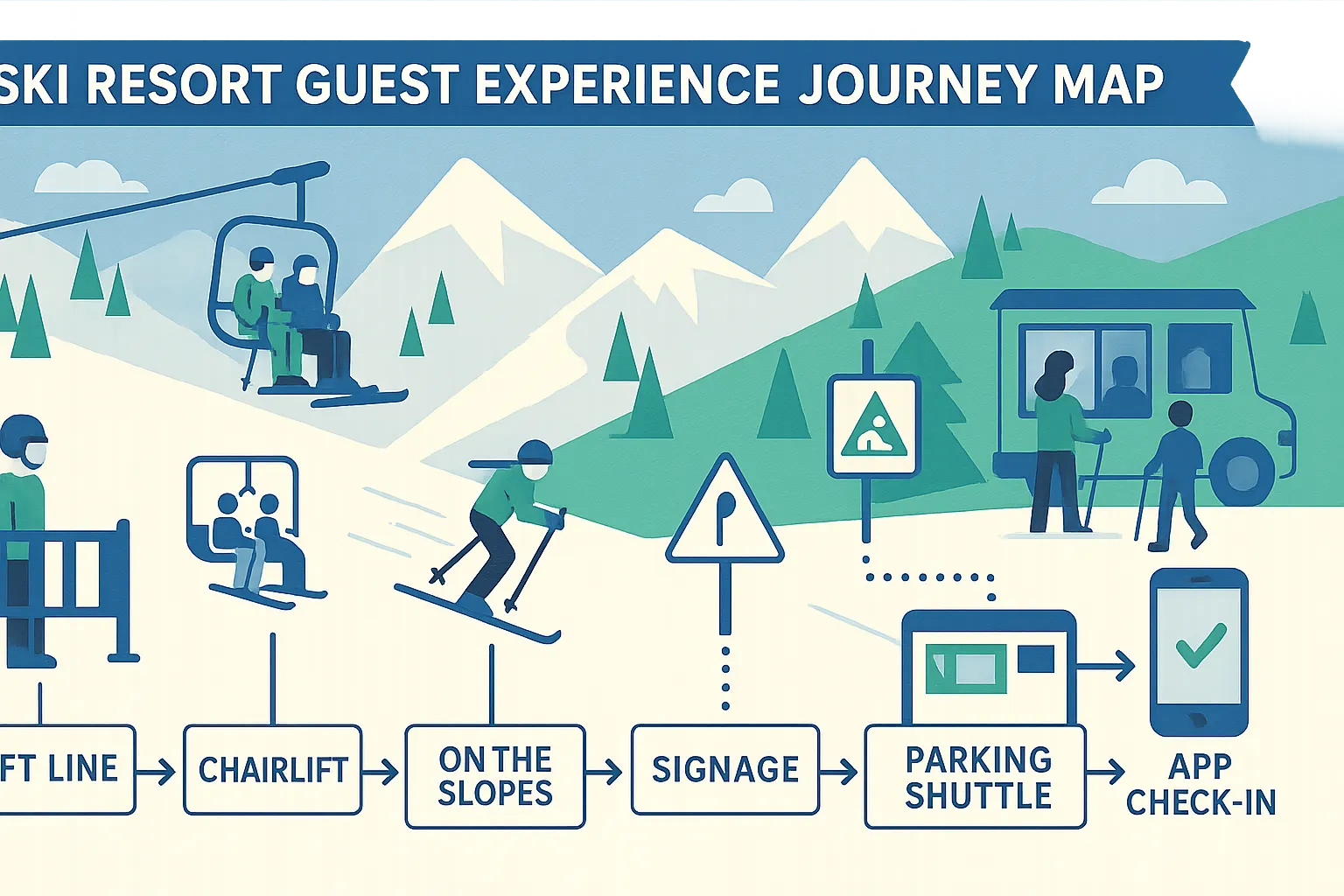
The guest journey from parking lot to chairlift is increasingly data-rich territory — smart resorts are building marketing systems around every touchpoint.
The Privacy Conversation Is Coming — Get Ahead of It
Here’s the part that keeps me up at night a little bit: guests haven’t been asked if they’re OK with being monitored at the lift line. Anonymized data is one thing. But as these systems get more sophisticated, the line between “safety monitoring” and “behavioral surveillance” gets blurry fast. Theme parks have navigated this conversation (with varying degrees of success), and ski resorts are about to face it too.
My take: the resorts that proactively communicate what these systems do — and more importantly, what they don’t do — will build more trust than the ones who stay quiet. A simple one-liner in your app or website: “Our AI lift monitoring helps us keep lines moving and keep you safe. No data is stored or linked to your identity.” That kind of transparency costs you nothing and buys a ton of goodwill.
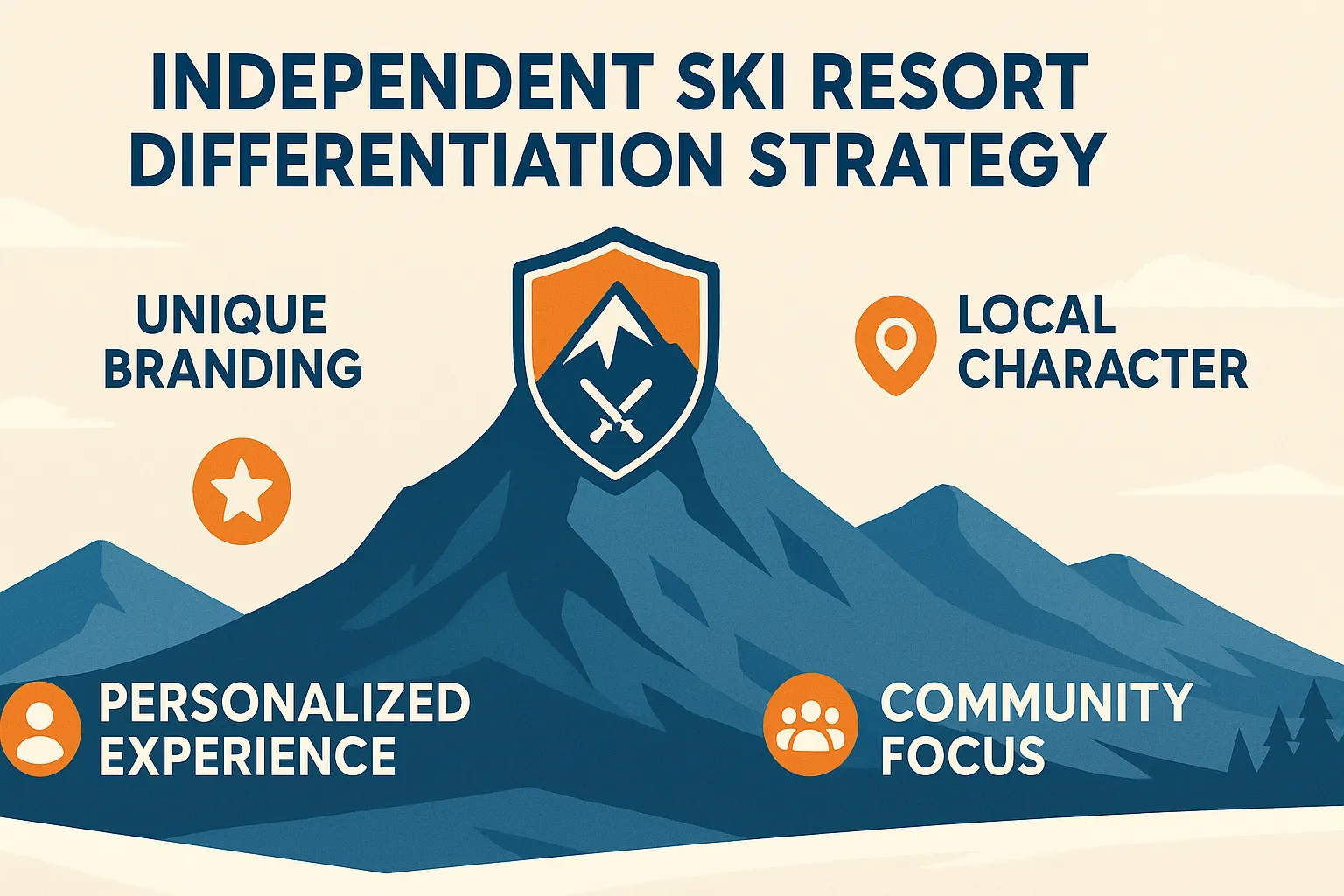
How your resort communicates around new technology is a brand differentiation opportunity — not just a checkbox.
What Your Team Should Do Now
You don’t need to be a tech-forward mega-resort to think through this. Whether or not you’re installing AI cameras this season, these conversations are coming to your resort community. Being the marketing director who has a thoughtful answer — about data, about transparency, about how technology improves the guest experience — is a competitive advantage. The AI toolkit for resort marketing is expanding fast, and the creative stack is already here — now the operational layer is catching up.
Is your resort exploring AI at the operational level — beyond content creation? What tech investments are you seeing conversations about internally? I’d love to hear where different resorts are landing on this.