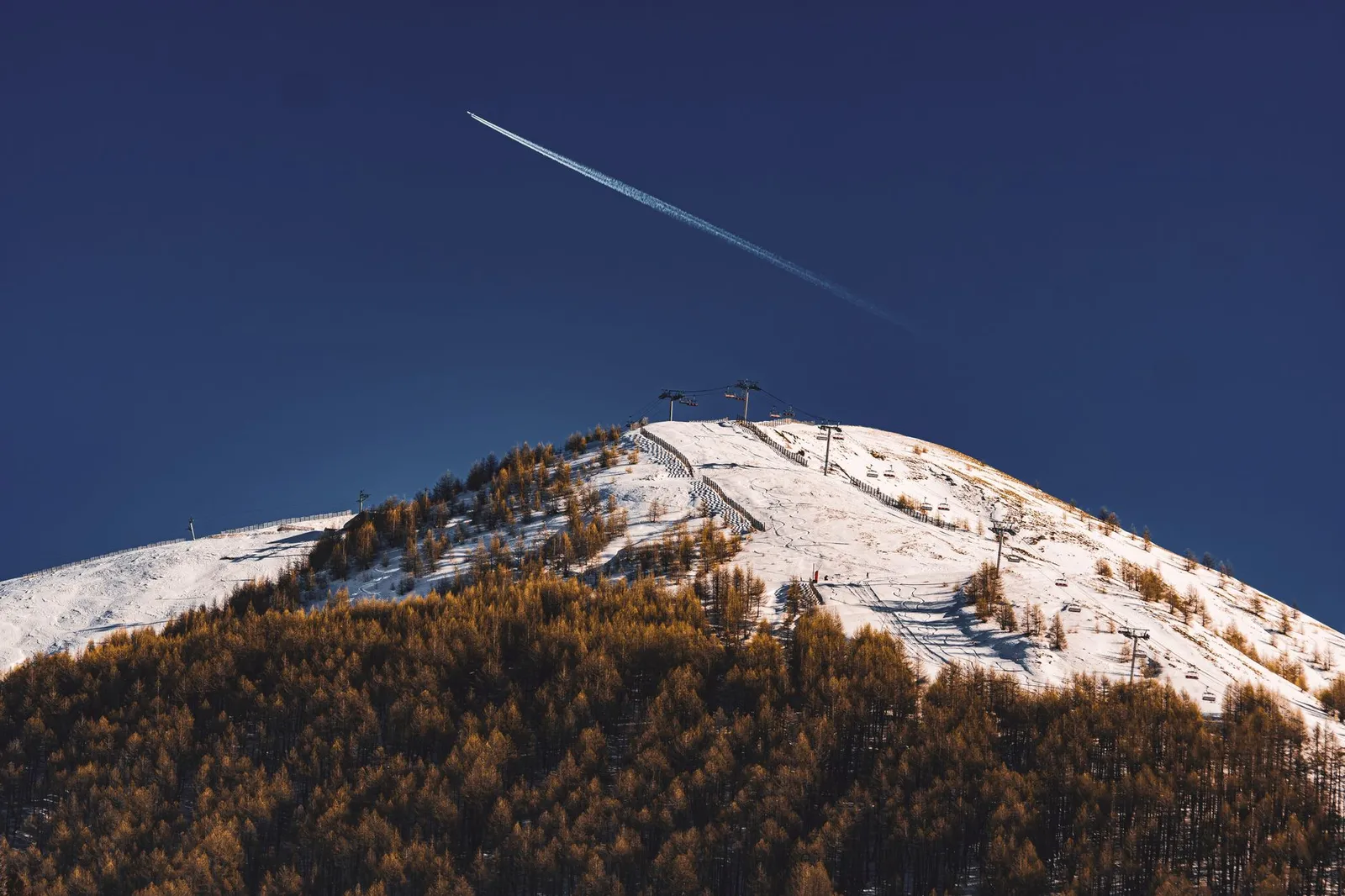
I was standing in a lift line last March behind two guys reading a trail map. One tapped the big number printed in the corner, the resort’s average annual snowfall, and laughed. “Yeah, maybe at the summit. In 1998.”
That laugh is the sound of a content strategy failing. And this week The Weather Channel ran a piece titled “Ski resort snowfall: Why averages don’t tell the whole story,” which means your skeptics now have a mainstream outlet backing them up.
The number on your website is easier to flatter than you think
ZRankings, which builds its snow rankings from daily patrol reports and avalanche center records going back decades, lays out the problem bluntly. Precipitation at the top of a resort “can be double or triple the base.” Measure at the summit stake and market it as the mountain’s number, and you have told a technically true story that most of your skiers will never experience.
Time windows are worse. ZRankings found that for virtually any area, “an optimal 5-year streak can be cherry picked that exceeds a long term average by 25% or more.” Even 10-year averages can drift 20% from the long-term figure. ZRankings states it does not accept “brochure quotes” at face value, and your guests have quietly adopted the same policy.
The baseline is moving under everyone
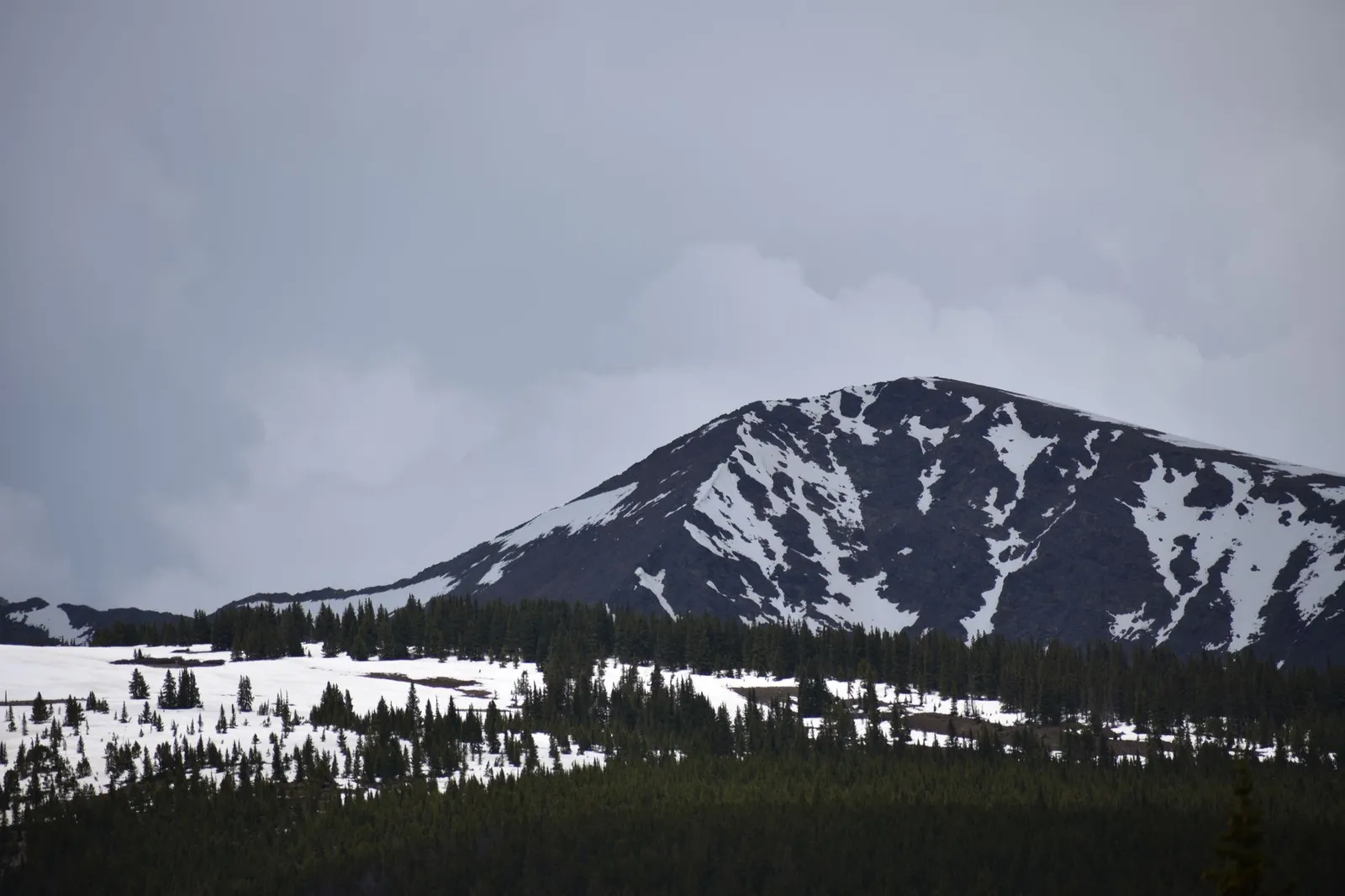
Then there’s the climate backdrop. Citing Climate Central data, The Weather Channel reported this summer that two-thirds of U.S. locations see less snow than they did in the 1970s, and U.S. autumns have warmed an average of 2.8°F since 1970. A snowfall average built on old seasons gets less believable every year it goes unexplained.
None of that means your mountain is lying. It means a single number with no context reads like an ad, and skiers have learned to discount ads.
The playbook: turn snow data into proof, not a pitch
Here is how I would rebuild snow content for this season. Every piece of it is something a small content team can ship before opening day.
1. Say where and when you measure. Something like “Measured at the mid-mountain stake, 9,200 feet, period of record 1985 to 2025” is a stronger sentence than any adjective. Specificity is the cheapest credibility you can buy.
2. Publish a range, not just a mean. Show a typical low season and a typical big season alongside the average. A skier planning a trip trusts “most winters land between X and Y” far more than a single heroic figure.
3. Count the days that matter. Skiers don’t ski annual totals; they ski storm days. A stat like “powder days of 6 inches or more in a typical season” is more useful and harder to inflate.
4. Put the snow stake on camera. A live stake cam with a timestamp turns your snow report from a claim into evidence. Clip the overnight refill to vertical video every storm morning, and your report doubles as your best-performing social post.
5. Show season-to-date against your own median. A simple chart updated weekly lets skiers see a slow start, a big recovery, or a banner year in honest terms. Owning a thin December builds the trust you cash in during a deep February.
6. Lead with what you control. If snowmaking covers a meaningful share of your terrain, say so with numbers. Reliability is a story you can actually guarantee, unlike the sky.
Why this is a content win, not a confession
Honest snow data feels risky to marketing teams, but it snowballs in the right direction. Accurate numbers get cited by forecasters, trip planners, and AI search engines, while inflated ones get screenshotted next to a bare-dirt webcam.
The resorts that win this decade won’t be the ones with the biggest number on the trail map. They’ll be the ones whose number a skier can verify in ten seconds. So here’s my question: if a skeptical guest audited your snowfall claim tomorrow, would your own content back you up?