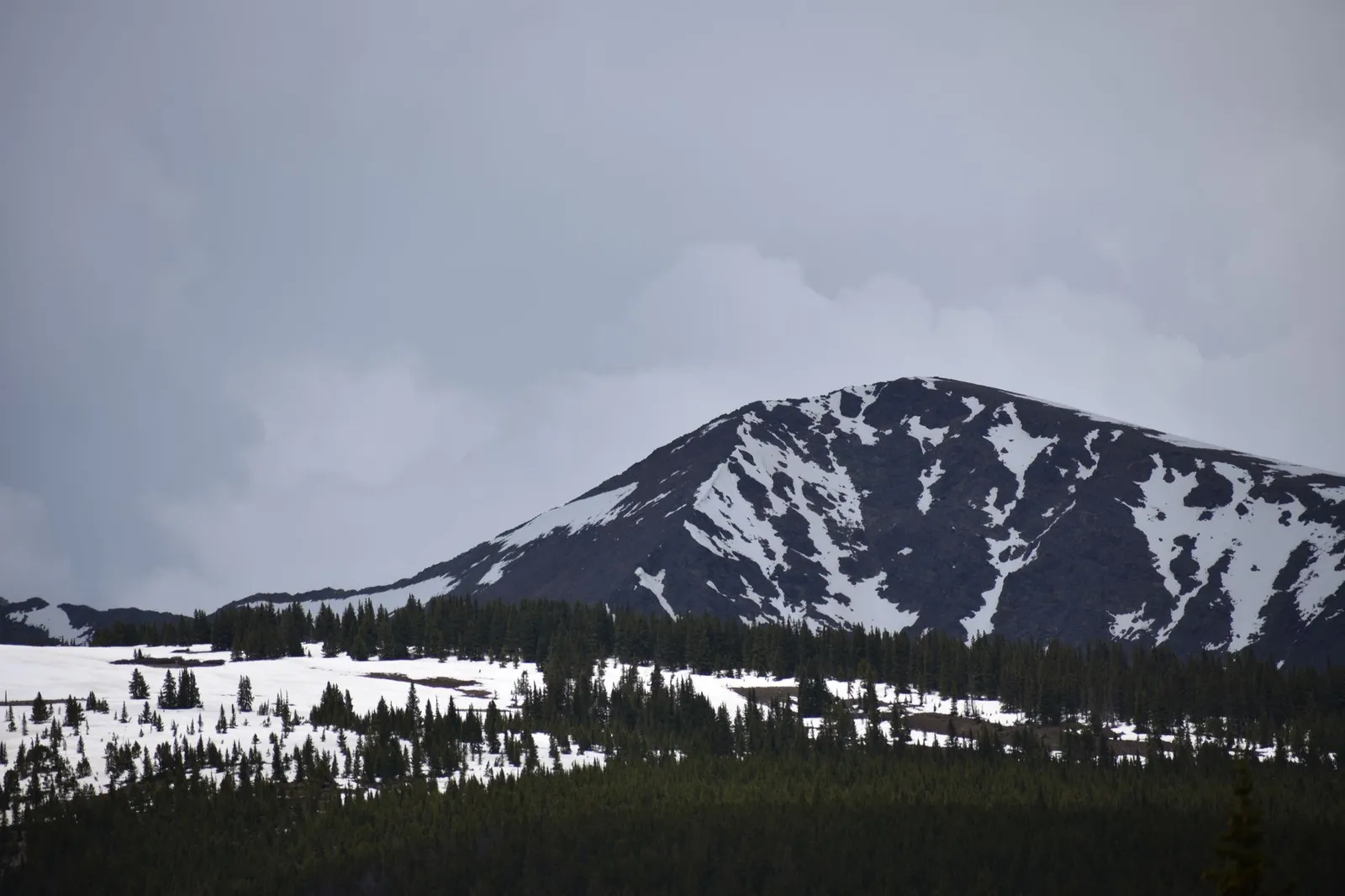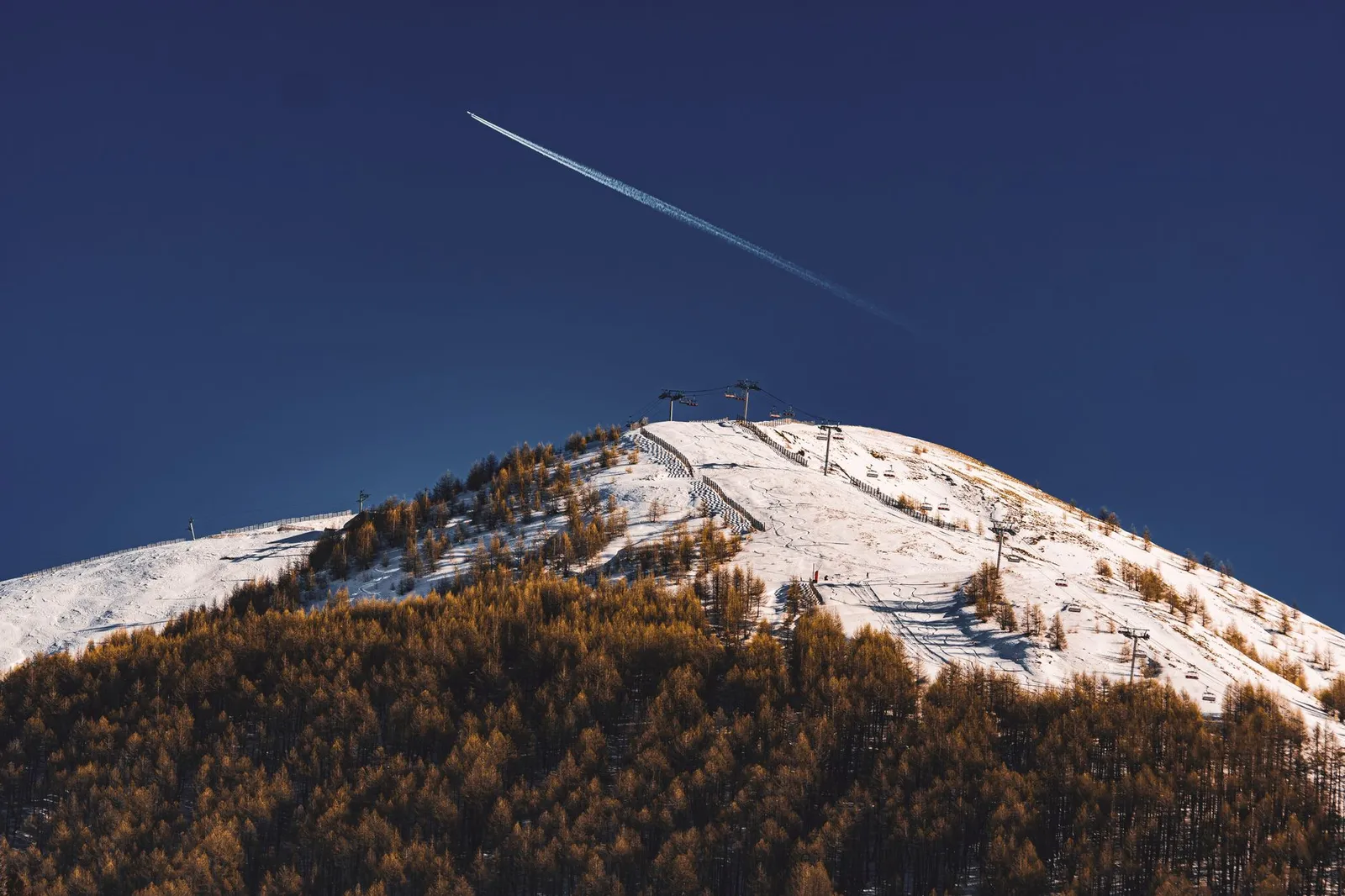
Arapahoe Basin’s guns kick on around 26.5 degrees, and the crew prefers clear skies because the air is drier. About five snowmakers run roughly 20 guns. Down the road, Keystone has more than 600. The storm hit Summit County on October 14, and four of the county’s five ski areas fired up snowmaking that week.
Then a reporter asked the obvious question: you’re making snow in a drought?
One area talked. Four sent statements.
Summit Daily’s Jessica Sachs asked all five Summit County ski areas about drought and snowmaking. The story, republished by KUNC, notes that Loveland, Keystone, Copper Mountain and Breckenridge declined interviews. Copper and Loveland sent written statements; Keystone and Breckenridge sent one joint line about being “prepared for multiple scenarios.”
A-Basin put people on the record. Mountain ops VP Louis Skowyra said the resort covers 5% to 6% of its mountain with snowmaking and that “80% to 90% is returning to the watershed.” He added: “This drought is not going to dramatically change the amount of water we can use and convert into snow.”
Guess which resort got the quotes, the photos and the story.
The water question is coming to your comments
Skiers see guns blasting while the news talks about low reservoirs. To them, that looks like waste. To your ops team, it looks like water storage.
The data mostly backs the ops team. Colorado state figures reported by CBS Colorado put statewide snowmaking at about 2.2 billion gallons a year, roughly 0.05% of the water diverted for human use, with about 80% returning to the watershed. That is 2021 data, so use it as context, not as your number.
But “the data backs us” is not content. A statement from comms is not content either. Content is a person, a place and a number.
Build a water story with receipts
Here’s the format I’d steal from A-Basin’s interview and turn into a 60-second video or a short post.
| Receipt | Example from the coverage | What to publish |
|---|---|---|
| Where the water comes from | Your source and reservoir | A shot of it, named |
| How much terrain gets snow | A-Basin: 5% to 6% | Your percentage |
| What comes back | 80% to 90% (A-Basin) | Your estimate, sourced |
| When you make it | A-Basin: about 26.5°F, dry air | Your startup temp and limits |
| How you frame it | Copper: “a form of water storage” | One plain sentence |
Film your snowmaking manager, not a marketing person. The best quote in the whole piece was A-Basin’s Blair James explaining humidity like a weather nerd. That’s the stuff people trust.
A-Basin has been doing this on its own channels for a while, too, with a sustainability video that called snowmaking a non-consumptive use. The interview was easy because the homework was done.
Don’t oversell it
There is a real counterargument, and your audience has heard it. Evaporation and sublimation take a cut, and energy use is a bigger footprint than water. If your content pretends snowmaking is free, you will get dunked on in the replies.
Say the 10% to 20% that doesn’t come back out loud. Honesty about the loss is what makes the 80% believable. Nobody wants a resort snow job.
What I’d do Monday
- Get your snowmaking manager on camera for 90 seconds before your first big push.
- Pull your own numbers: water source, acres covered, return estimate, and where they come from.
- Pin the post to your snow report page and FAQ, where the angry question actually lands.
- Prep one plain answer for your front desk and social team.
Drought years turn snowmaking from a background process into a headline. The resort that explains it early sets the story; the rest send statements.
When a skier asks you about water this winter, will they find your answer, or someone else’s?