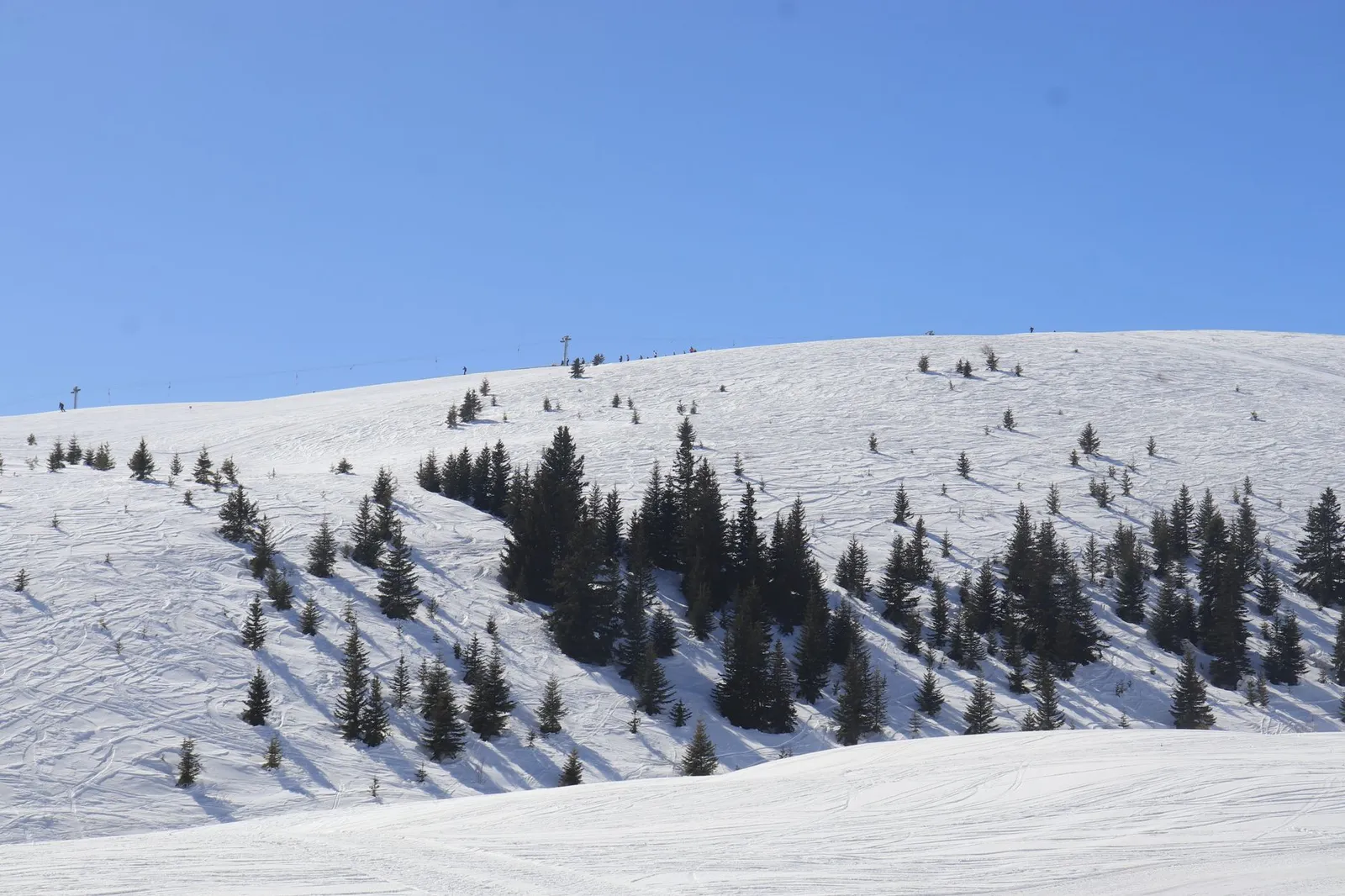
Stand on the top of Willamette Pass on a cold November morning and the view east toward Diamond Peak tells you everything about why snowmaking matters in the Cascades. The snowpack out here is feast or famine — epic when the atmospheric rivers line up, punishing when they don’t. Oregon’s Willamette Pass knows this better than anyone, which is why this week’s announcement hit differently: the resort just tripled its snowmaking capacity in what Powder Magazine is calling a historic upgrade.
That’s not a press release adjective. Tripling capacity is a fundamental change in what a mountain can promise — and there’s no snowballing around what that kind of commitment costs.
The numbers that matter
The resort hasn’t published a precise dollar figure on the expansion, but tripling snowmaking infrastructure at a mid-sized Pacific Northwest ski area typically runs $10–20 million depending on the mix of fan guns, compressors, and pipe replacement. That’s a serious commitment for an independent that doesn’t have an Alterra or Vail balance sheet behind it. It tells you the operators genuinely believe in a future where the window of natural snow is narrower but the demand for skiing is not.
Willamette Pass sits at a 5,900-foot base — considerably lower than the big Rocky Mountain resorts — which makes wet-bulb temperature management everything. More guns don’t matter if you can’t run them at the right margins. The smart play is expanded fan guns paired with automated wet-bulb controls, so the system fires exactly when conditions allow and shuts off when they don’t. Based on the direction every serious snowmaking investment has gone in the last five years, I’d bet the new infrastructure leans heavily that direction.
Why this is the story for every PNW independent right now
Last season was punishing for Oregon ski areas. Willamette Pass watched others limp to early closures. When you can’t control the weather, you control what you can: snowmaking coverage, snowpack depth on key runs, and the operational ability to open early when competitors are still waiting on a natural dump.
The marketing punchline writes itself. We’ll be open. That simple promise — backed by real infrastructure — is worth more than any brand campaign a consultancy can cook up for a mid-sized mountain. It’s the exact competitive edge that drives pass sales before the season starts, when undecided buyers are still comparison shopping and a single headline can flip the decision.
Resorts that make big capital announcements in September and October see pre-season pass conversion spikes. The news cycle is loud right now — every outlet covering Utah’s first snow, Colorado snowmaking startup, and Ikon’s opening dates is setting the table for exactly this kind of story. Being in that cycle with a genuine capital story is free marketing.
The playbook for operators watching from a distance
You don’t need to triple capacity to move the needle. The lesson from Willamette is simpler: make the capital commitment visible. When resorts announce snowmaking expansions, they earn media, drive pass sales conversion, and deliver the social proof that tells an uncertain buyer this mountain is serious about being open.
If you’re sitting on a phased expansion plan that’s been in your capital queue for two years, now is the time to pull the trigger on phase one and announce it publicly. The pre-season window from now through early December is the single highest-leverage moment for converting undecided pass buyers. Willamette just claimed its moment. Who’s next?
The open question
Tripling snowmaking capacity in 2026 is the right call. The question I’d ask Willamette’s operators: what’s the energy sourcing plan? Running triple the guns on the Pacific Northwest grid is expensive, and that cost doesn’t disappear when conditions are marginal. Renewable diesel — like Taos Ski Valley is pursuing despite federal policy headwinds — or an on-peak/off-peak hydro contract could be the difference between a profitable early season and a Pyrrhic snow victory. How you power the guns matters as much as how many you run. And right now, that’s the question the whole industry is quietly asking.