Staffing is a system, not a scramble.
Nearly 2,000 ski instructors have now joined a class-action lawsuit against Vail Resorts alleging wage theft, improper tip pooling, and misclassification of employment status. If you run a ski resort of any size, this case deserves your full attention — not just as a news item, but as a mirror.
What the Lawsuit Actually Alleges
The complaint centers on three core issues: below-minimum-wage effective pay once mandatory meetings and unpaid prep time are counted, improper pooling of guest gratuities, and misclassification of instructors as part-time or seasonal in ways that deny benefits. The plaintiffs span multiple Vail properties across several states.
This isn’t the first time Vail has faced labor scrutiny — but 2,000 plaintiffs is a different scale. Courts will pay attention.
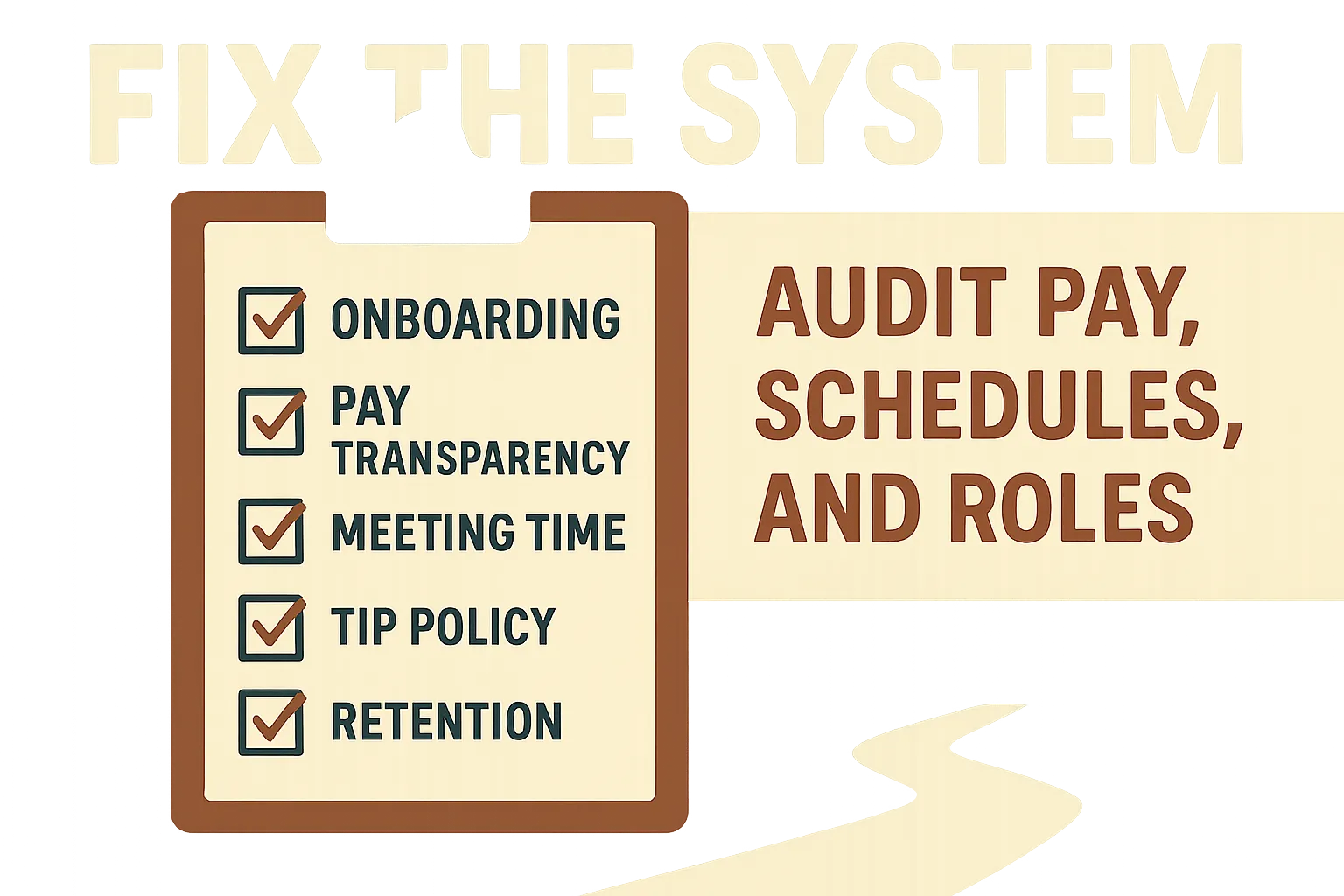
Audit pay, schedules, and roles before the season hits.
Why Independent and Mid-Size Resorts Should Care
The legal outcome matters less than the signal. Instructors at independent resorts are watching this case. Union organizing in ski instruction is rising. The Vail lawsuit has created a template, and plaintiffs’ attorneys now know this industry is lucrative territory.
Your resort isn’t Vail — but your instructor comp structure may share the same vulnerabilities: mandatory unpaid clinics, tip policies written before state tip-pooling laws tightened, and seasonal classifications that blur employment status.
Three Things to Audit Right Now
1. Clock-in policies: Are instructors clocking in only for on-snow time? If mandatory training, staff meetings, or equipment checks happen off-clock, that’s exposure. Audit your actual effective hourly rate.
2. Tip pooling: State laws on tip distribution have changed significantly in the last three years. If your policy was written pre-2023 and hasn’t been reviewed by counsel, do that today.
3. Benefit eligibility thresholds: Seasonal employees hitting ACA hour thresholds without coverage are a growing liability. Run the numbers on your peak-season headcount.
The Bigger Picture: Retention Is the Real Strategy
Beyond legal compliance, the instructor shortage is real. PSIA-AASI reports that instructor attrition — not recruitment — is the bigger problem. Well-compensated, respected instructors who feel like staff rather than contractors are your best retention tool.
Resorts that get ahead of this — raising floor wages, cleaning up tip policy, offering mid-season reviews — will be recruiting from a pool Vail is busy losing. That’s your competitive edge.
Key Takeaway
Don’t wait for a lawsuit to audit your instructor comp. The Vail case is a map of where the legal risks are. Use it proactively.